|
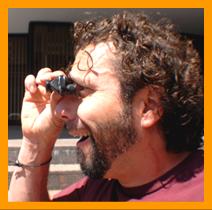
Having some pretty girls around helps with getting people to pose... |

|
Japanese External Reverse Porro Prism Binoculars.
VIRTUAL MUSEUM
|
|
Les origines de l'Allemand jumelles miniatures
Истоки немецкий миниатюрный бинокль
Los orígenes del alemán prismáticos en miniatura
ドイツのミニチュアの双眼鏡の起源 |
|
MINIATURFERNGLÄSSER: DEUTSCHE URSPRÜNGE Nr 4 |
|
MARK OHNO |
|
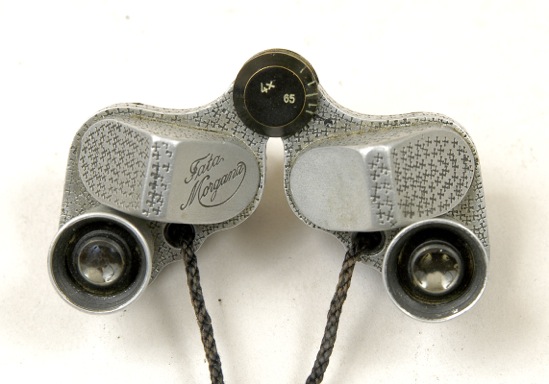
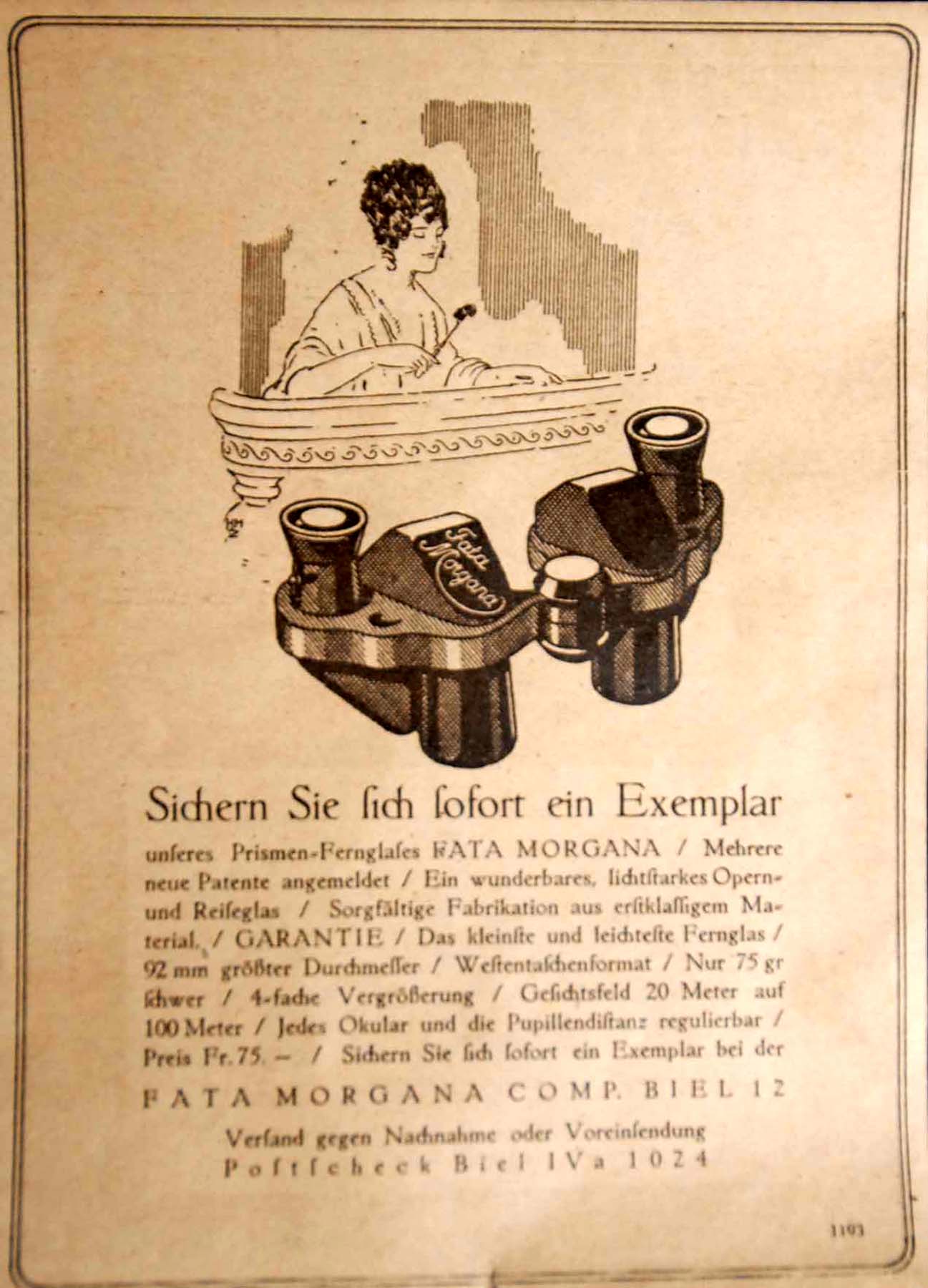
Additional Advertisements: Fata Morgana Binoculars.
Weitere Werbematerialien für „Fata Morgana“-Ferngläser. Annonces Supplémentaires: «Fata Morgana» Jumelles.
Дополнительные рекламные объявления:
«Fata Morgana»
бинокль.
追加
のアドバタイズメント:
Fata Morgana
双眼鏡
.
Ytterligare annonser: “Fata Morgana” Kikare. Nuevos anuncios: «Fata Morgana» Prismáticos. Annunci Aggiuntivi di Binocolo «Fata Morgana».
|
|
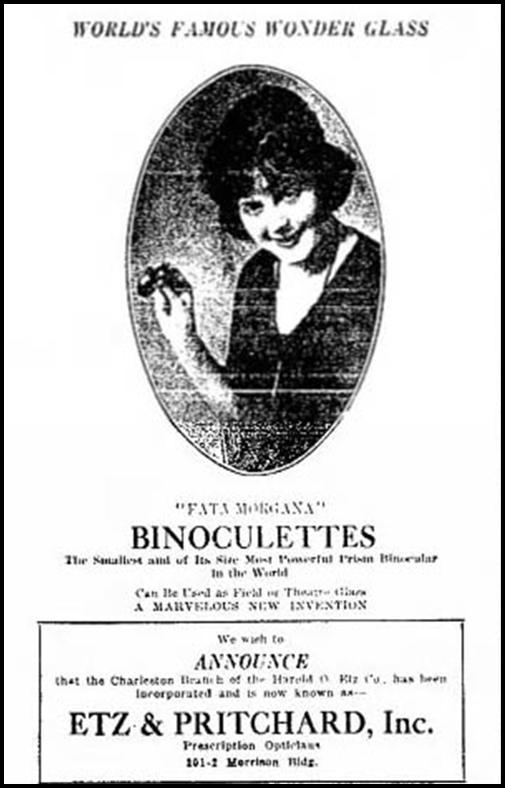
Fata Morgana advertisement by the optician ETZ & PRITCHARD, in Charleston, West Virginia USA, June 1923
|

|
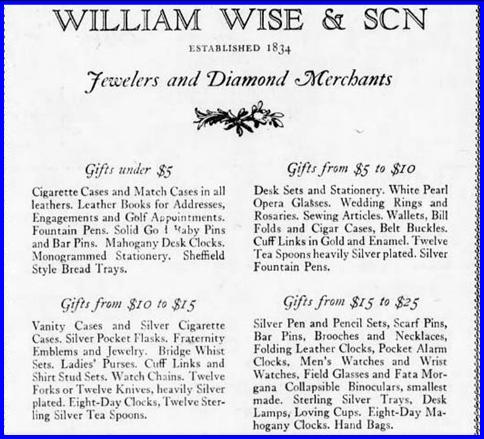
Fata Morgana advertisement by the jewelers William Wise & Son, Flatbush Ave at
Fulton & Nevins Streets, Brooklyn NY USA in 1922
|
|
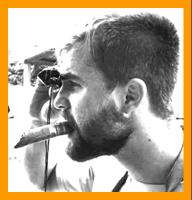
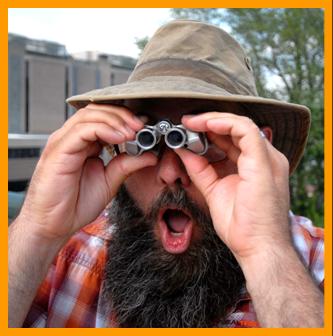
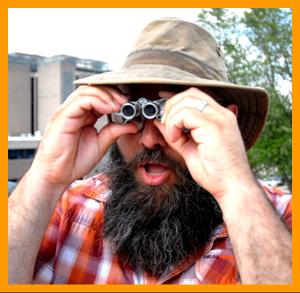
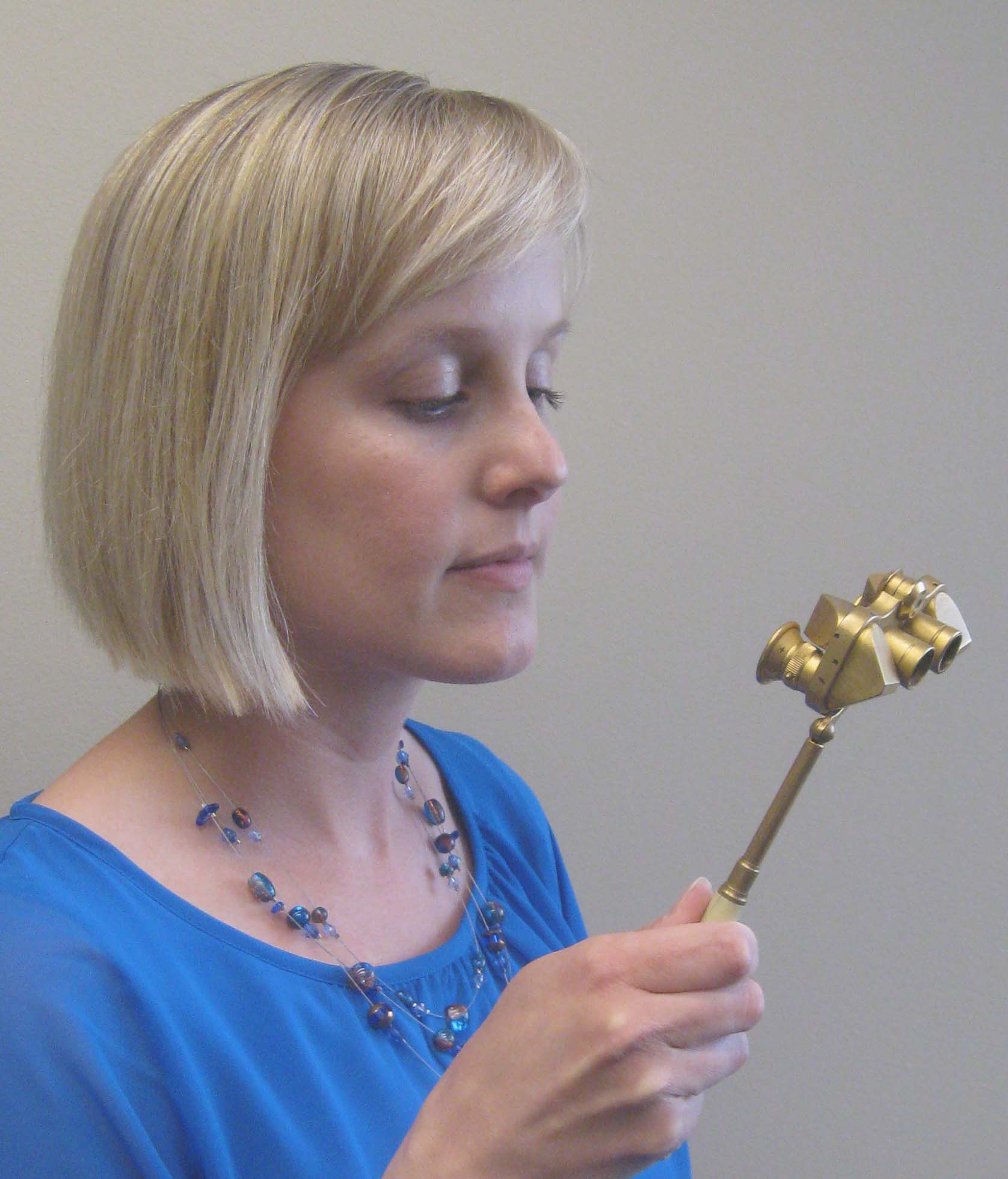
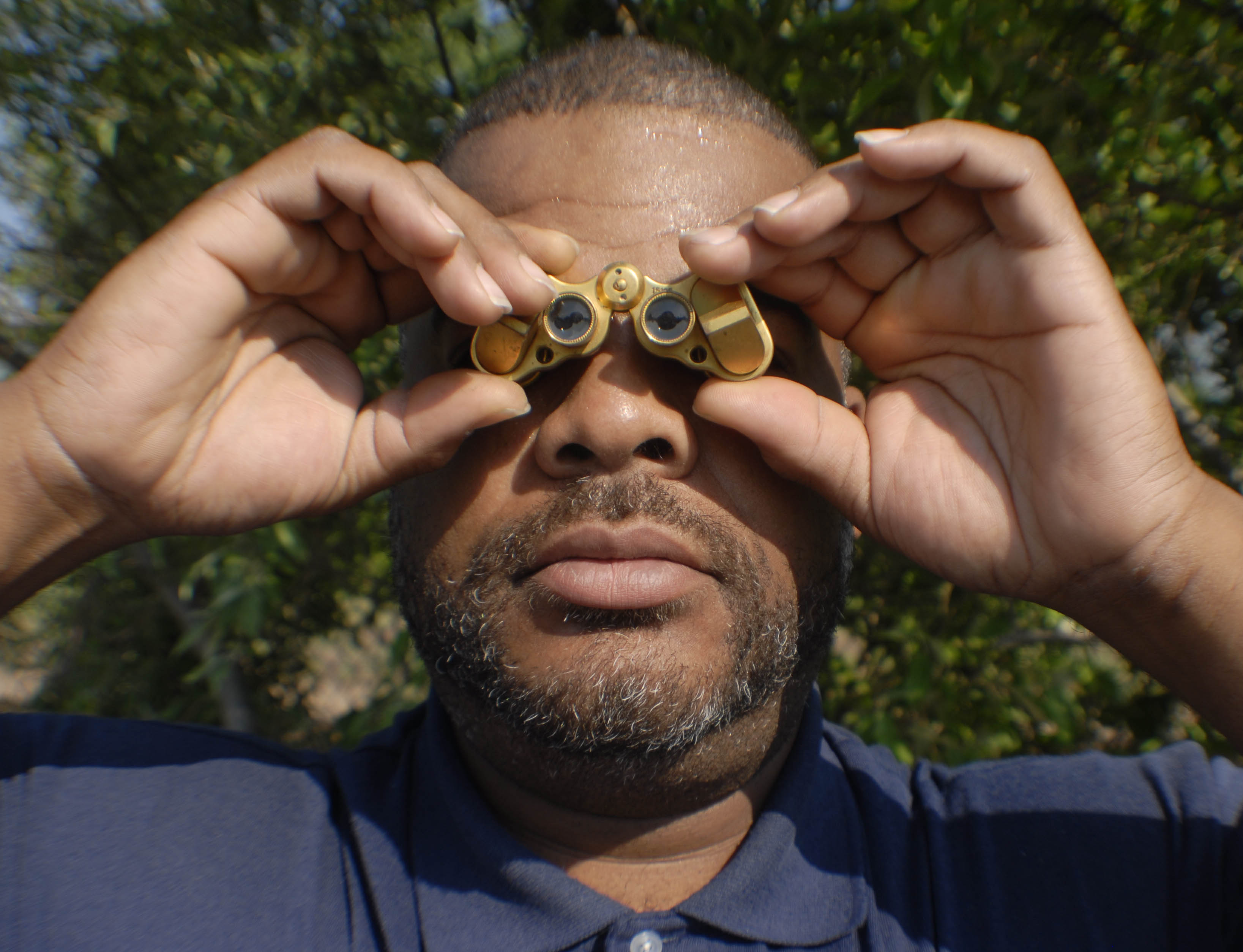
Using Fata Morgana binoculars.
„Fata Morgana“ Ferngläser im Gebrauch. Jumelles «Fata Morgana» en cours d’utilization. |

|
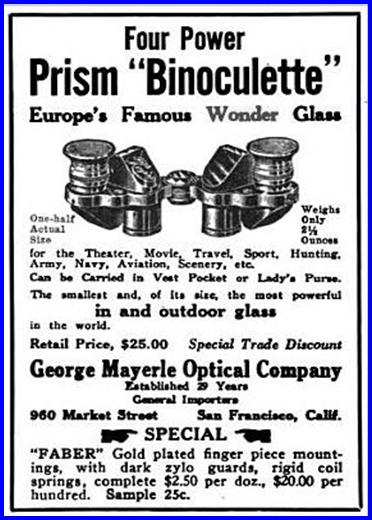
Optical Journal & Review of Optometry Vol 49 Jan 1922
|
|
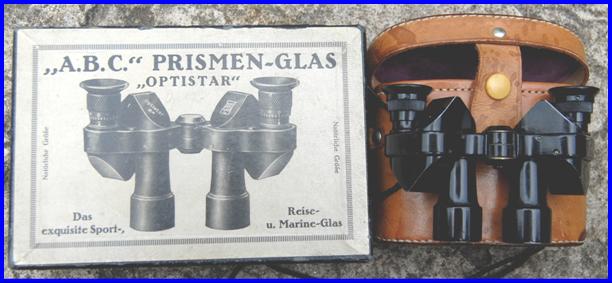
When you bought an “A.B.C.” “Optistar” prism 6x binoculars in the early to mid 1920’s, “the exquisite sport, travel and marine binoculars”, this is what you received. Even by today’s standards, these are an appealing, attractive, well designed and are a well made pair of binoculars that are a pleasure to use.
Collection of Mark Ohno, binocular serial # 42784.
Binocular & Case sourced in the
United States
, Box sourced in
Germany
. |
|
Fata Morgana Binoculars with an Interesting History and Dealer Markings.
„Fata Morgana“ Ferngläser mit einer interessanten Geschichte und mit Händler Kennzeichnungen. «Fata Morgana» Jumelles avec une Histoire Intéressante et avec des Marques de Courtiers. «Fata Morgana»
Бинокль с интересной историей и с Дилер разметке.
興味深
い歴史を持つとディーラーのマーキング
«Fata Morgana»
双眼鏡
.
”
Fata Morgana
”
Kikare Med en Intressant Historia Och Med Dealer Märkningar. «Fata Morgana»
Prismáticos con una Historia Interesante y con Marcas de Distribuidores. Binocolo «Fata Morgana» con Una Storia Interessante e Maechi di Rivenditore. |
|
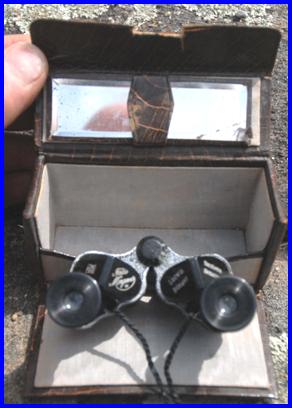
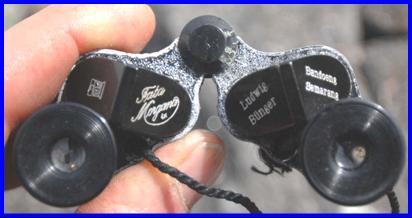
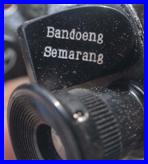
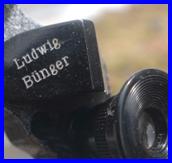
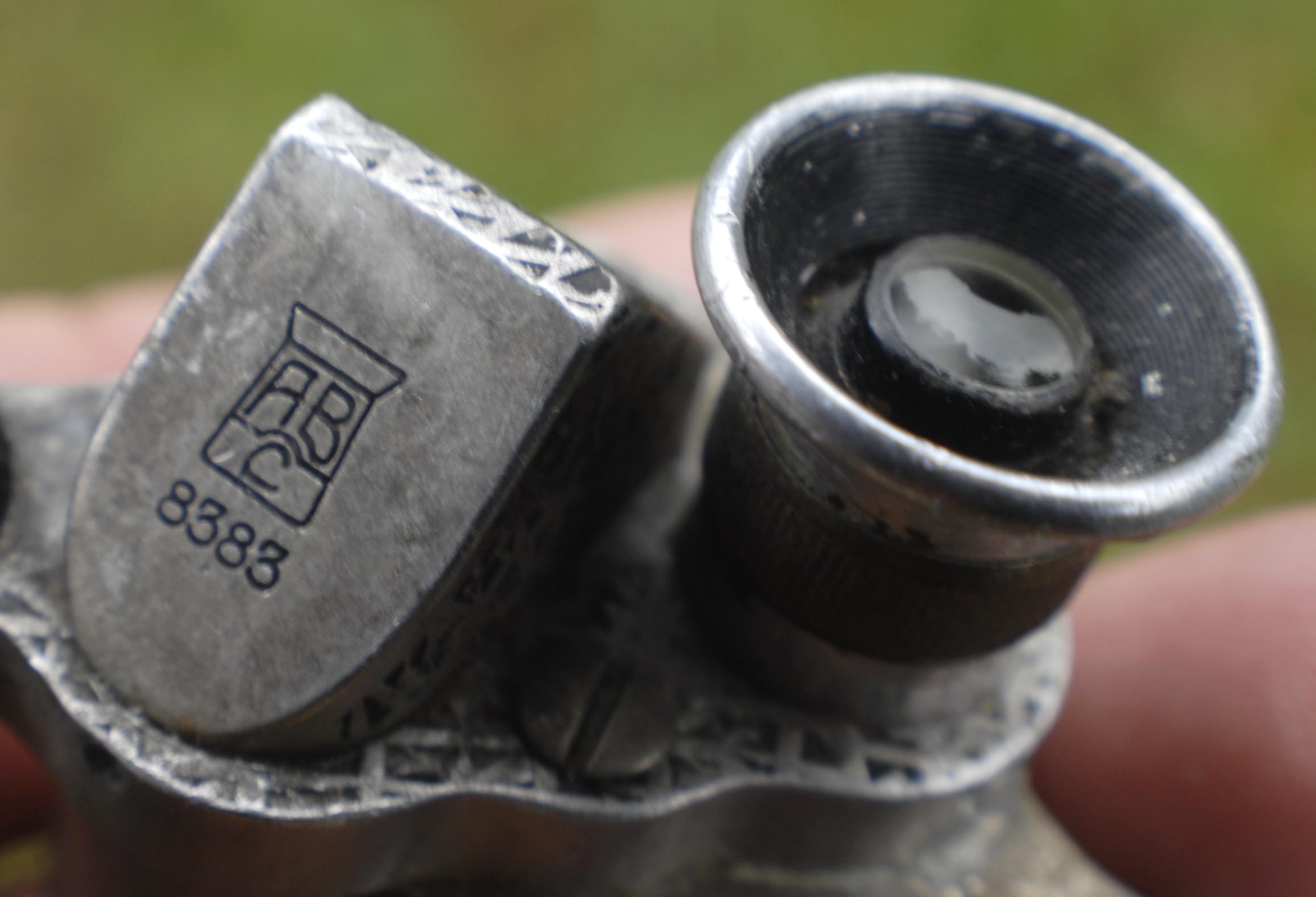
My research indicates that these Fata Morgana binoculars marked “Ludwig B
ü
nger “and “Bandoeng” and “Semaring” were marked for and sold by the optician firm of Ludwig B
ü
nger. The firm had shops in the cities of Bandoeng (later Bandung) and Semaring in the 1920's on the island of Java. Java was part of the colony of the Dutch East Indies at the time (now Indonesia).
Meine forschung zeigt, dass diese Fata Morgana Fernglas mit “Ludwig B
ü
nger “ und “Bandoeng” und “Semaring” wurden markiert und vom Optiker Firma Ludwig B
ü
nger verkauft. Die Firma hatte den Geschäften in den Städten von Bandoeng (Bandung) und Semaring in den 1920er Jahren auf der Insel Java. Java war Teil der Kolonie Niederländisch-Indien zu der Zeit (heute Indonesien). Ma recherche indique qe ces jumelles Fata Morgana marqués “Ludwig B
ü
nger “ et “Bandoeng”
et “Semaring” ont été marqués pour et vendus par la firme opticien de Ludwig B
ü
nger . La firme avait des magasins dans les villes de Bandoeng (Bandung) et Semaring dans les années 1920 sur l'île de Java . Java faisait partie de la colonie des Indes hollandaise à l'époque (l'actuelle Indonésie ). Min forskning tyder på att dessa Fata Morgana kikare markerade “Ludwig B
ü
nger “ och “Bandoeng” och “Semaring” markerades för och säljs av optiker firman Ludwig B
ü
nger . Företaget hade butiker i städerna Bandoeng (Bandung) och Semaring i 1920-talet på ön Java. Java var en del av kolonin av den holländska Ostindien på tiden (numera Indonesien ). Mi investigación indica que estos prismáticos Fata Morgana marcados “Ludwig B
ü
nger “ y “Bandoeng” y “Semaring” estuvieron marcados por y vendidos por la firma óptico de Ludwig B
ü
nger. La firma tenía tiendas en las ciudades de Bandoeng (Bandung) y Semaring en la década de 1920 en la isla de Java. Java fue parte de la colonia de las Indias Orientales Holandesas en el momento (actual Indonesia ) |
|
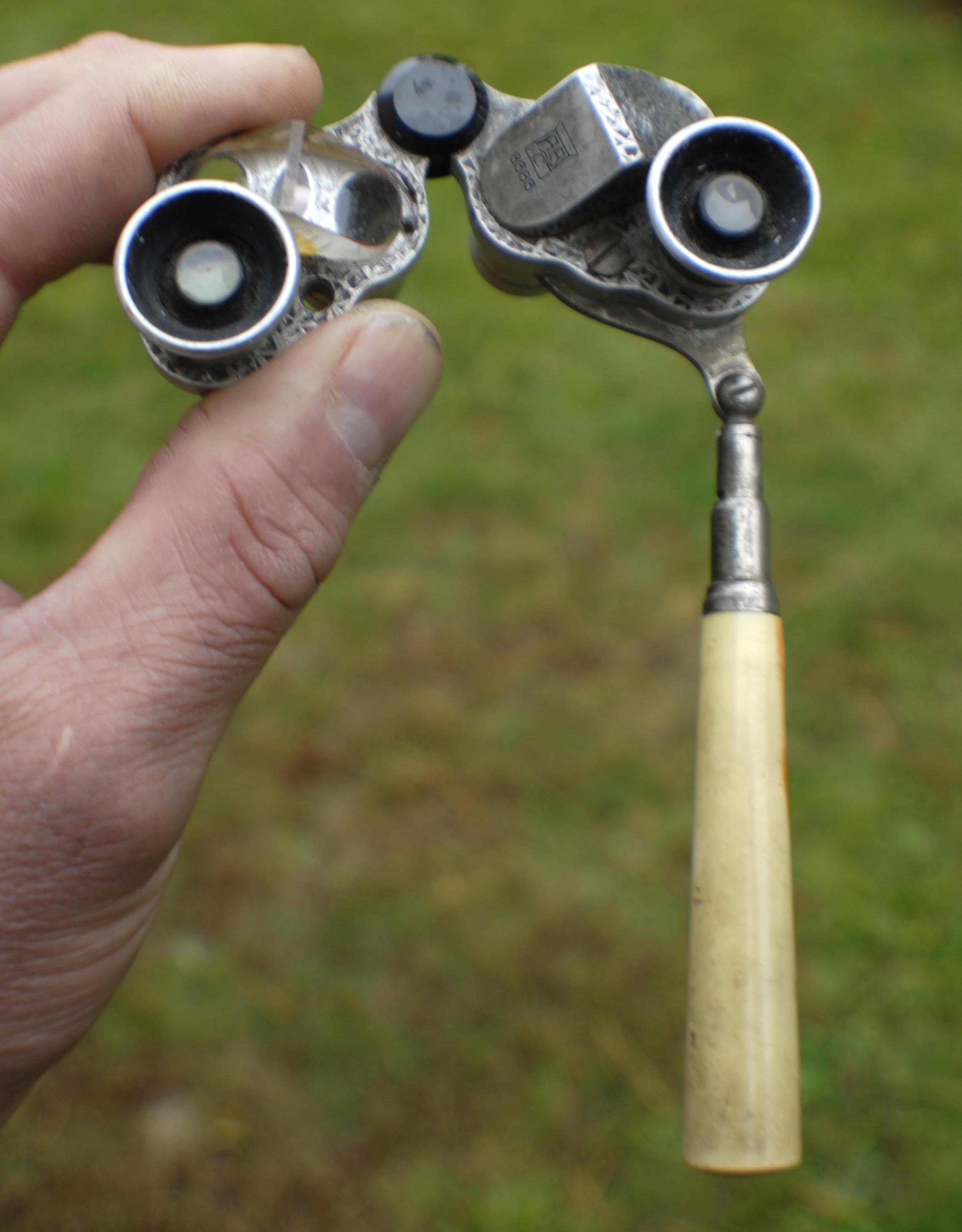
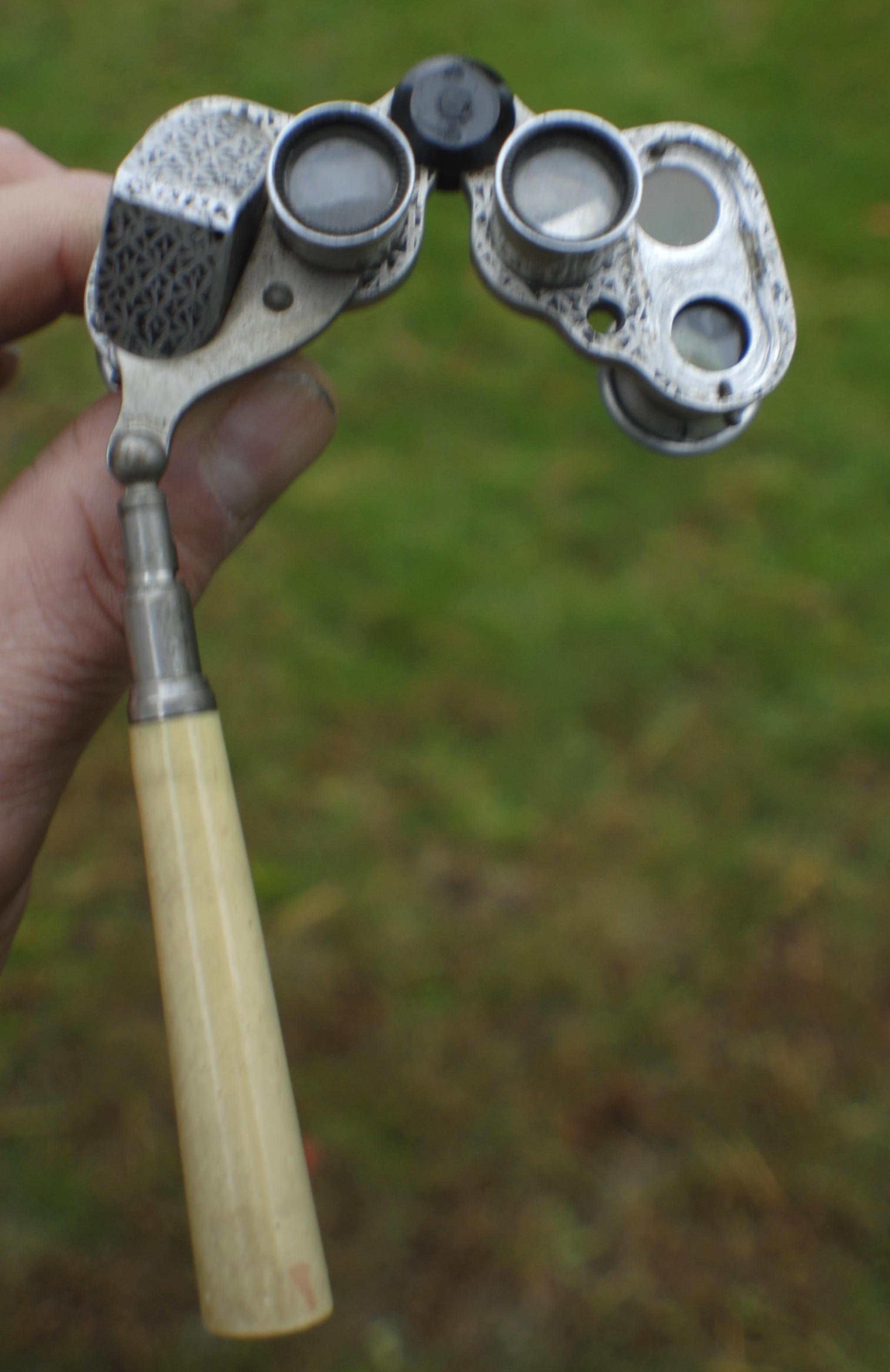
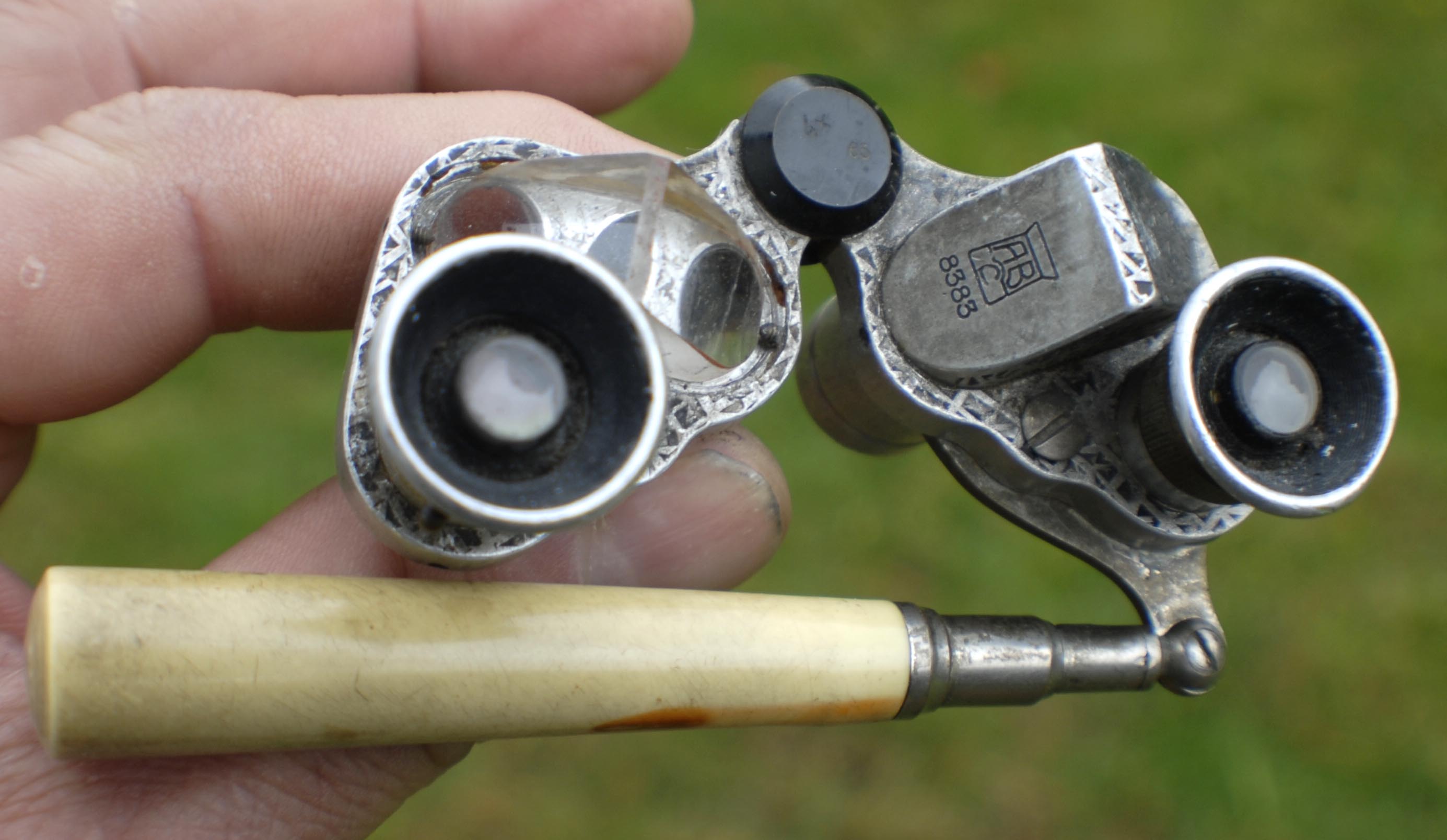
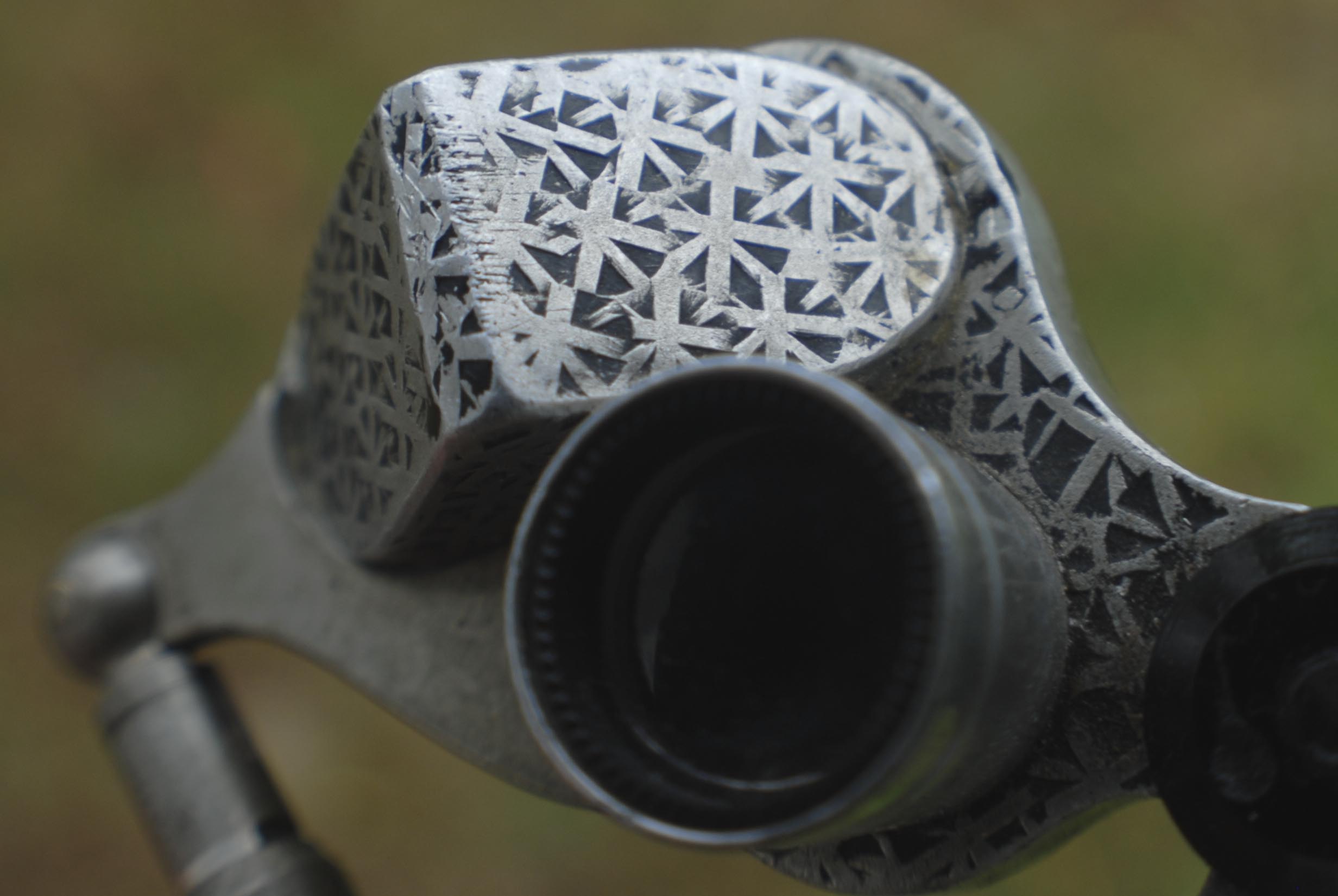
Fata Morgana binoculars with case, Serial number 35,117. Latest Fata Morgana Serial number documented to date.
Collection of Mark Ohno, USA
Sourced in
Germany
|
|
Information about Ludwig Bünger came from sources including the Catalogus Koliniale Tentoonstelling (Colonial Exhibition catalog) published in Semaring, Java, Dutch East Indies, various years including 1914, with PDF scan by Colonialearchitecture.eu. The Bünger firm is mentioned as exhibiting in 1916,
and is mentioned in trade directories such as Archief voor de suikerindustrie in Nederlandsch-Indië, Volume 30, Part 1 1922, geïllustreerd tijdschrift voor Nederland en koloniën, Volume 7 1923, and the firm is mentioned at least through1928, with 1920-1930 being a potential time frame for involvement with Fata Morgana binoculars. |
|
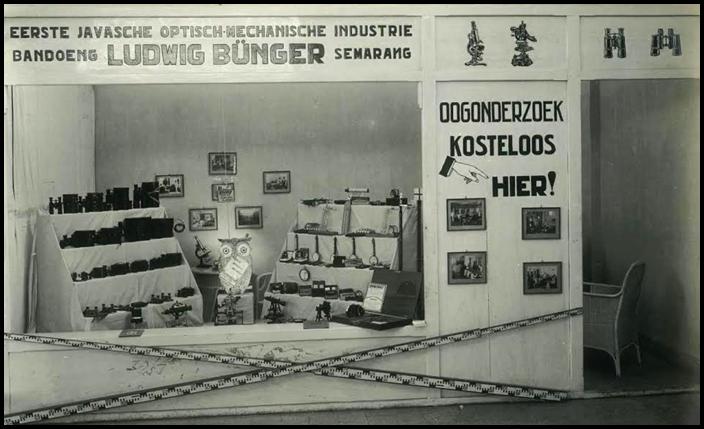
Photo of the trade stand of optician Ludwig B
ü
nger at the Colonial Exhibition held at the Jaarbeurs building in Bandoeng, Java, Dutch East Indies. Ludwig B
ü
nger sold eyeglasses (which they fabricated themselves), as well as lorgnettes, binoculars & field glasses, microscopes, and presumably telescopes or surveying transits (there appear to be a couple of telescopes or transits on tripods in the photo.) You can see a chair in the alcove for giving exhibition attendees their free eye exams (and selling them eyeglasses). The photo is reputed to be from around 1923. Circled objects may be Fata Morgana binoculars. Keep in mind that by third quarter 1923 German hyperinflation made the German mark worth between 1-4 trillion marks to on US dollar (from around 4 marks to a dollar during the war years), and 32 to the dollar in late 1919, so that a loaf of bread in 1923 cost 200 billion marks, and foreign currencies and durable goods were considered to have more stable value than German currency. |
|
Recent photo of the Jaarbeurs public hall in Bandung, Indonesia (edited) photo credit: Albert Tok.
|
|
Additional research assistance provided by fellow enthusiasts Hans Braakhuis and Ulrich Zeun
|
![Text Box: Eerste Java’sche Optisch– Mechanische Industrie Bandoeng Ludwig Bunger Semarang. First Java Optical Mechanical Industry [city of ] Bandoeng Ludwig Bunger [city of ] Semarang](image468.gif)

|
OOGONDERZOEK KOSTELOOS HIER!
“EYE EXAMS FREE OF CHARGE HERE” |

|
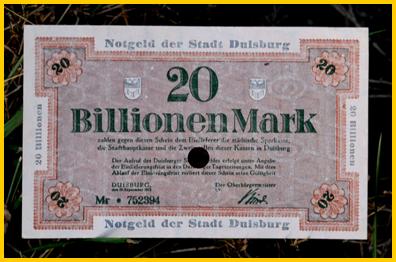
1923 TWENTY TRILLION REICHS MARK note Notgeld (emergency) type issued by the city of Duisberg in North Rhine-Westphalia Germany. It would buy 100 loafs of bread in Germany in 1923.
Collection of Mark Ohno
|
|
I was trained as an archaeologist, using recovered objects to interpret human and societal activity. My twenty trillion German Marks banknote at left is a relic indicative of the unintended (or perhaps intended) consequences of post World War One war reparations policies intended to punish Germany. Germany made it’s final WWI war reparation payment on Oct. 3, 2010. While the production of luxury goods such as Fata Morgana binoculars in the 1920’s might seem incongruous during a period of sustained currency chaos, in fact the opposite is true, as luxury durable goods were widely seen as a safe haven against increasingly worthless paper currency. This is an example of how human behavior may follow a logic that deviates from conventional expectations, and how warfare may take economic as well as militaristic guises. |
|
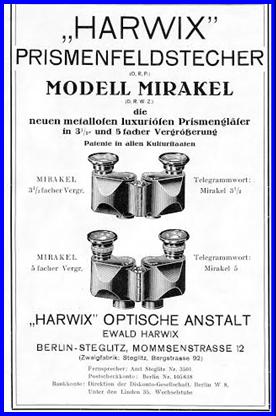
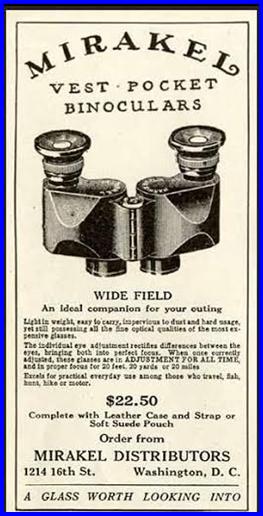
1922 advertisement |
|
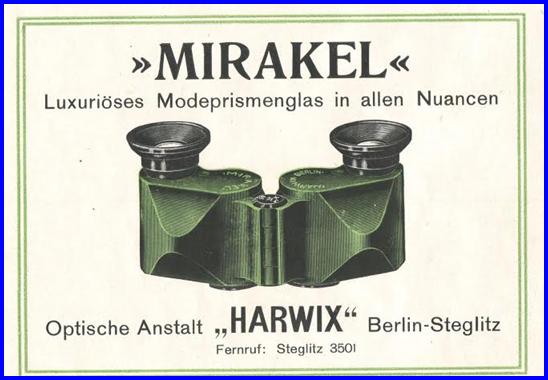
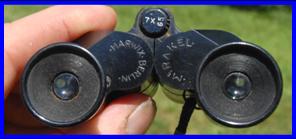
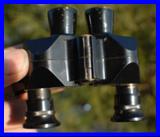
German Harwix Mirakel binoculars
.
Deutsch „Harwix Mirakel“ Fernglässer. Jumelles «Harwix Mirakel» Allemand. Tysk
”Harwix Mirakel” Kikare. Prismaticos «Harwix Mirakel» Alemán. Binocolo Tedesco «Harwix Mirakel». |
|
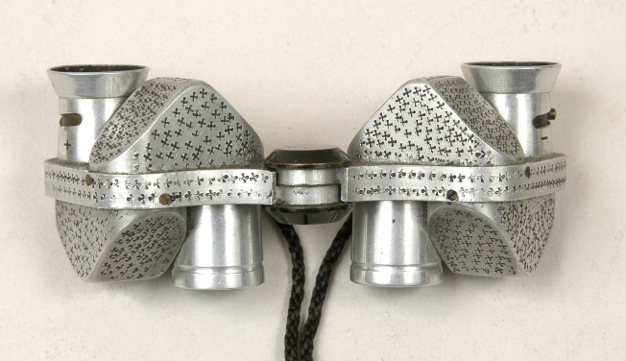
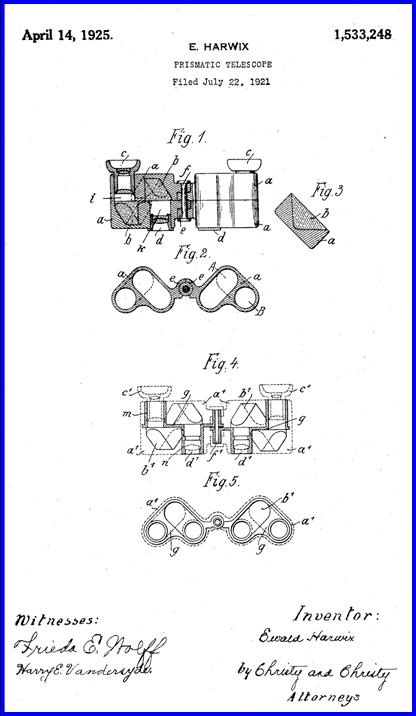
As his 1921 patent applications shows, the Mirakel binocular design of Ewald Harwix was a similar but different German design approach to that taken by Alfred Baumann with his Fata Morgana and Optistar designs. Both targeted a similar consumer market at around the same time, and were competitors, though the fragile bakelite plastic body of the Mirakel was rather less elegant. The Mirakel is not part of the Fata Morgana to Nikko Mikron to post war Japanese miniature binoculars design lineage, but it does reflect similar and competitive contemporary designs of miniature or pocket binoculars. |
|
1930 advertisement |
|
1926 advertisement |
|
All Harwix advertisements courtesy of Ulrich Zeun |



|
Fata Morgana & Optistar Binoculars. Frame Thickness. Design & Production Variations
.
Design-und Herstellungsvarianten der „Fata Morgana“- und „Optistar“-Ferngläser: Rahmenstärke. Jumelles «Fata Morgana» et «Optistar». Épaisseur de la Monture.
Variations de Conception et de Fabrication. Fata Morgana
И
«Optistar»
бинокль: рамы различия.
«Fata Morgana» & «Optistar» Prismáticos: Variaciones en la Producción de la Trama.
|
|
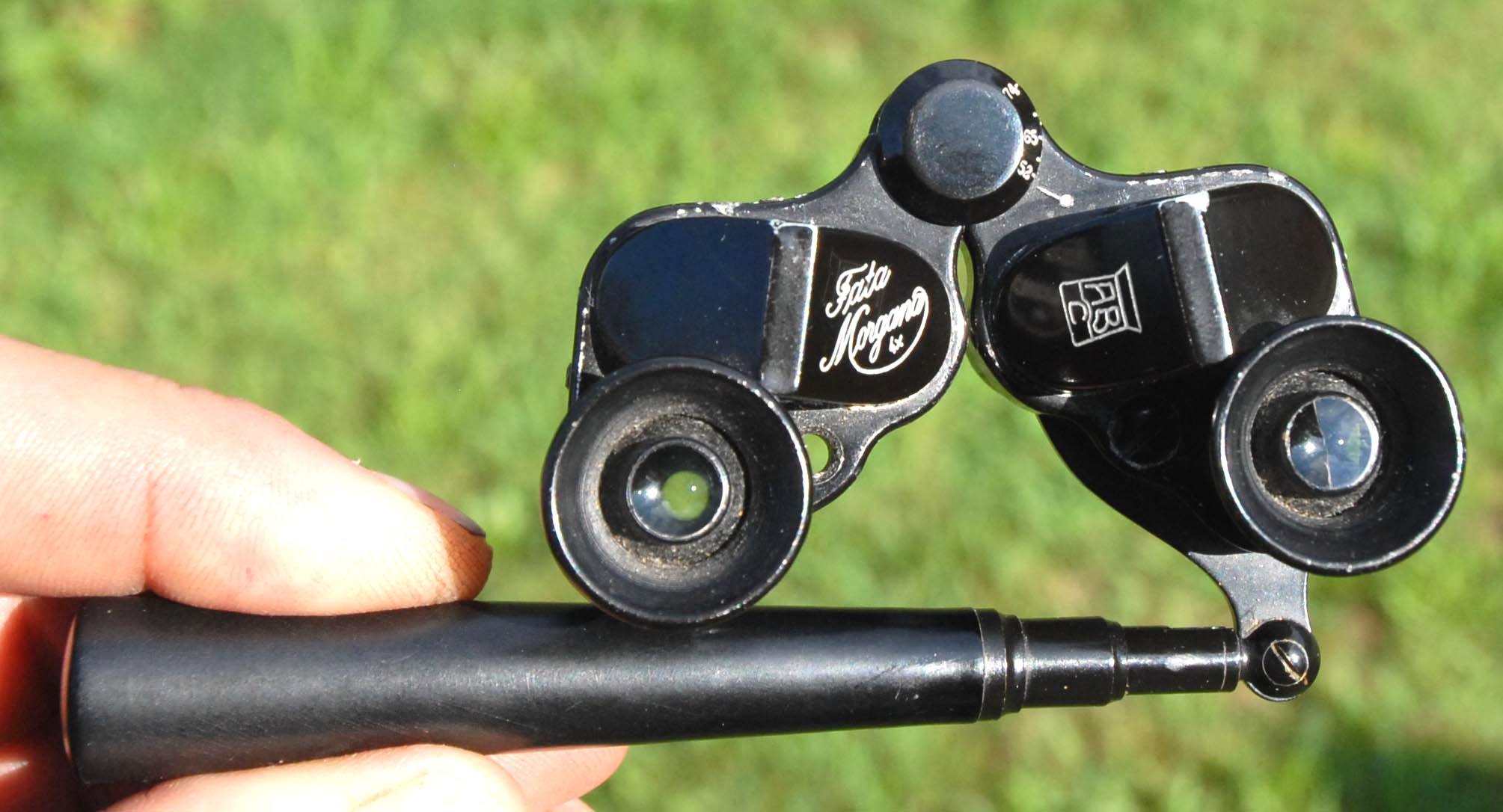
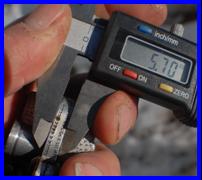
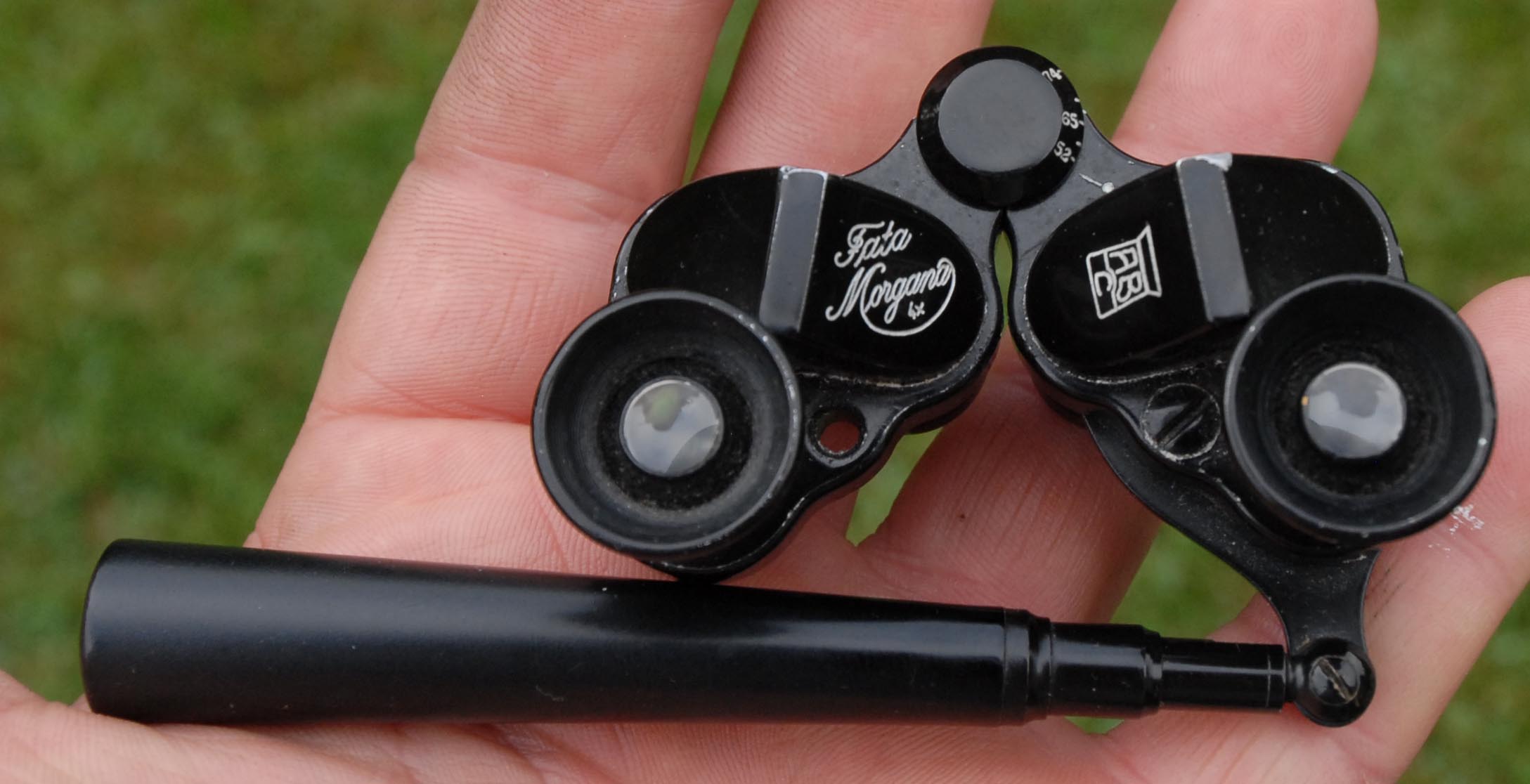
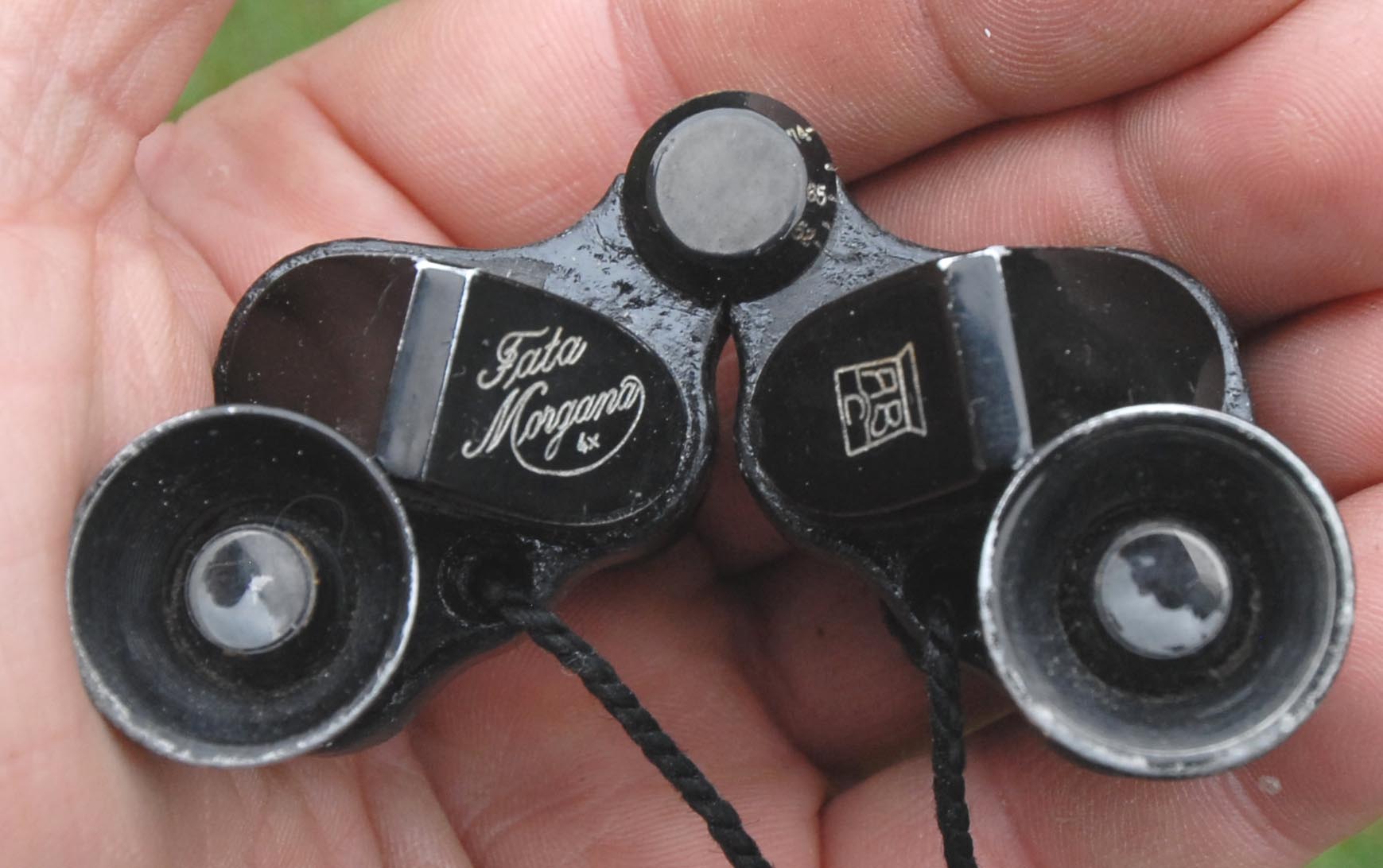
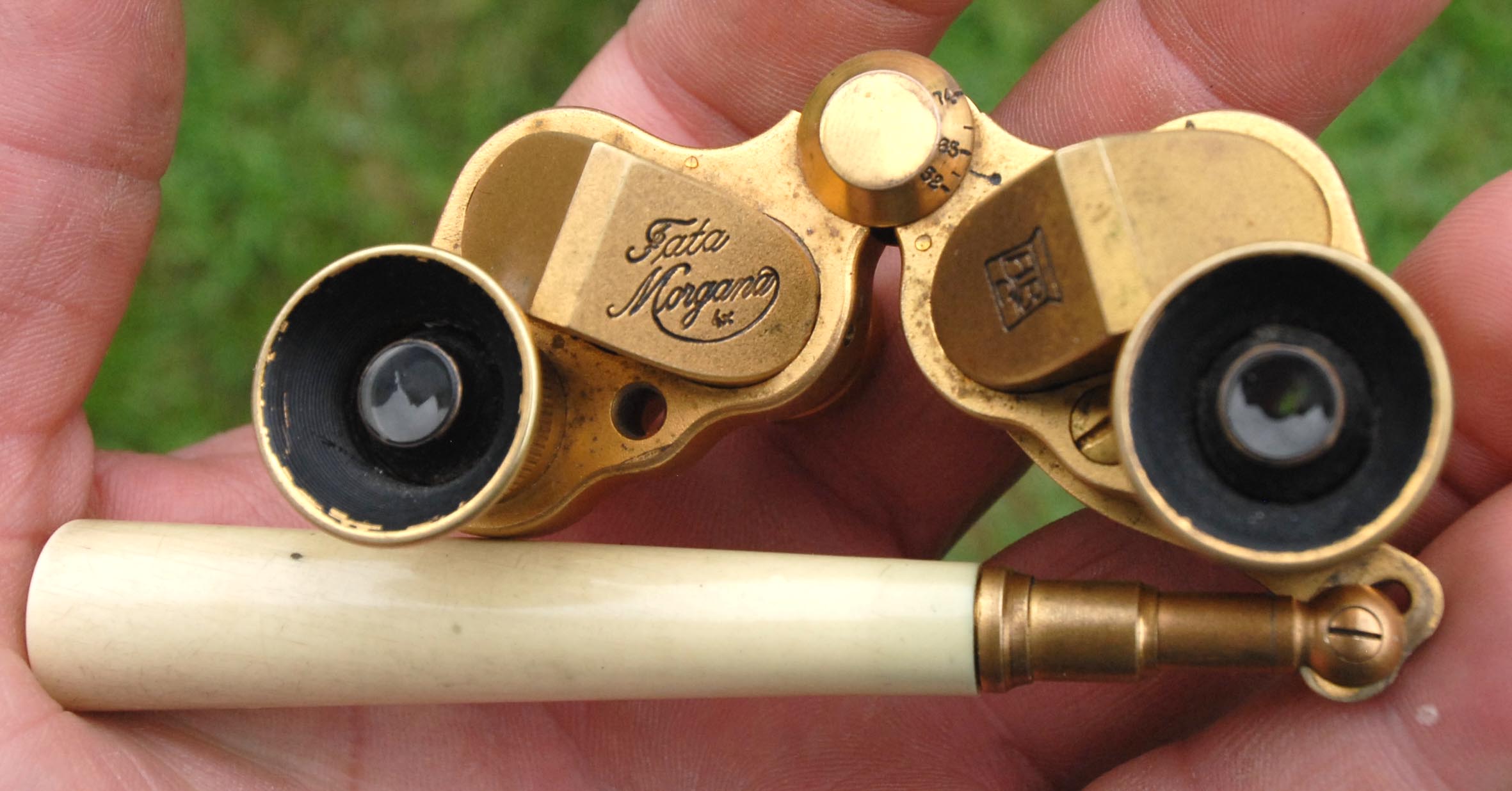
Fata Morgana and Optistar binoculars underwent various minor production changes over time, including but perhaps not limited to eyepieces, focus rings, frame thickness, objective tube length, geometry, markings, carry cases, and perhaps other evolving changes. In terms of frame thickness, there seem to have been three different frame thicknesses for the Fata Morgana binoculars, of approximately 6mm,then changing to approximately 7mm, then changing late in production to approximately 10mm, with the late production “Prinzess” also 10mm. There appears to have been one frame thickness for the Optistar model of approximately 10mm. |
|
Fata Morgana Serial # 680,
Earliest pattern, Frame approx. 6mm
|
|
Fata Morgana Serial #15105
(gilded brass) Frame approx. 7mm |
|
Optistar
Frame approx 10mm |
|
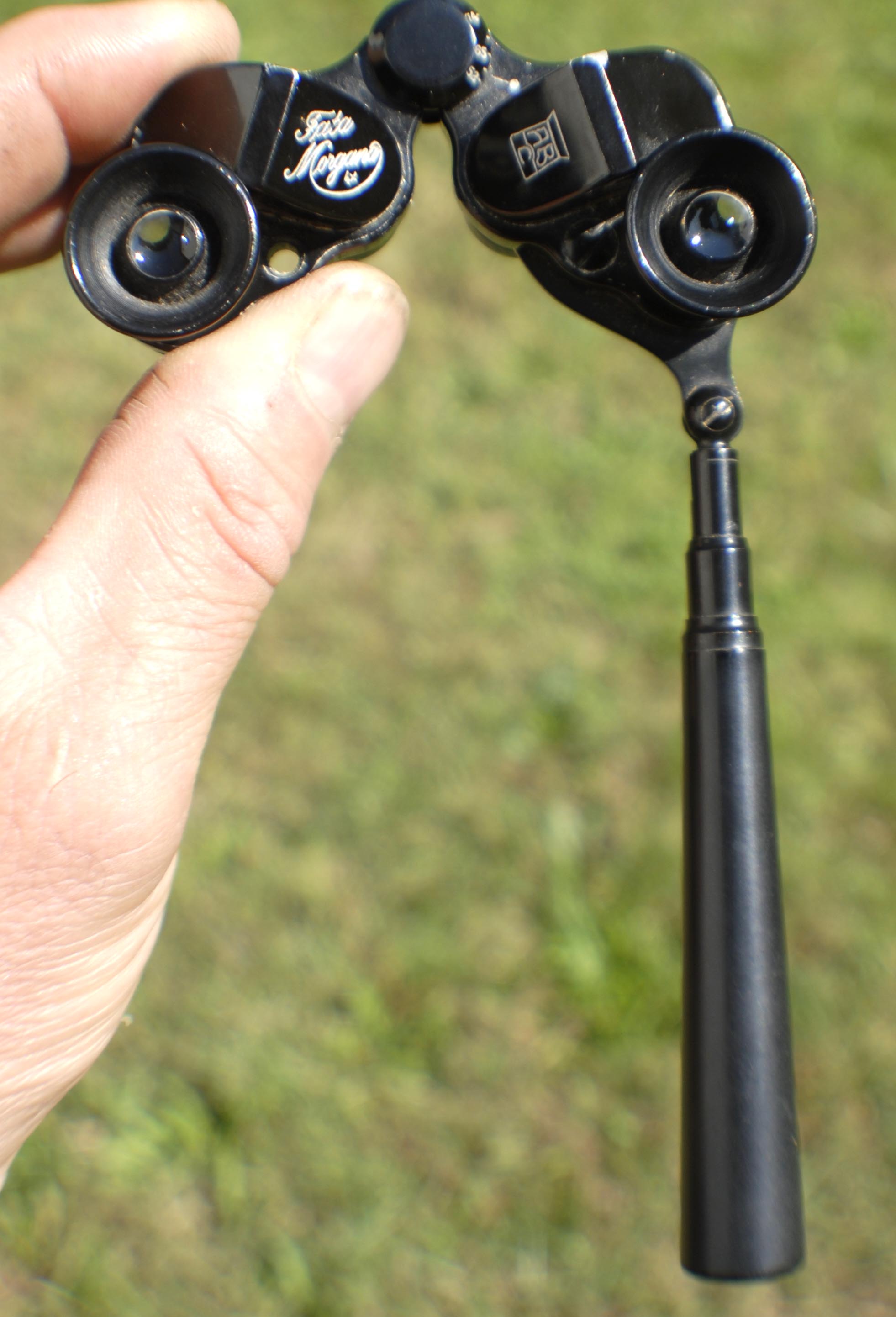
Fata Morgana 6x Miniature Binoculars
.
Das Miniaturfernglas „Fata Morgana“ 6x. «Fata Morgana» Jumelles Miniatures 6x. «Fata Morgana»
Миниатюрные Бинокль.
«
Fata Morgana» 6x.
ミニチュアの双眼鏡
.
«
Fata Morgana» 6x Prismáticos en Miniatura.
«
Fata Morgana» 6x Binocolo in Miniatura. |

|
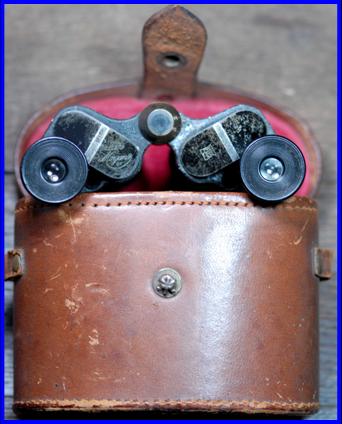
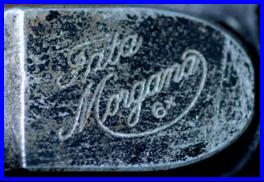
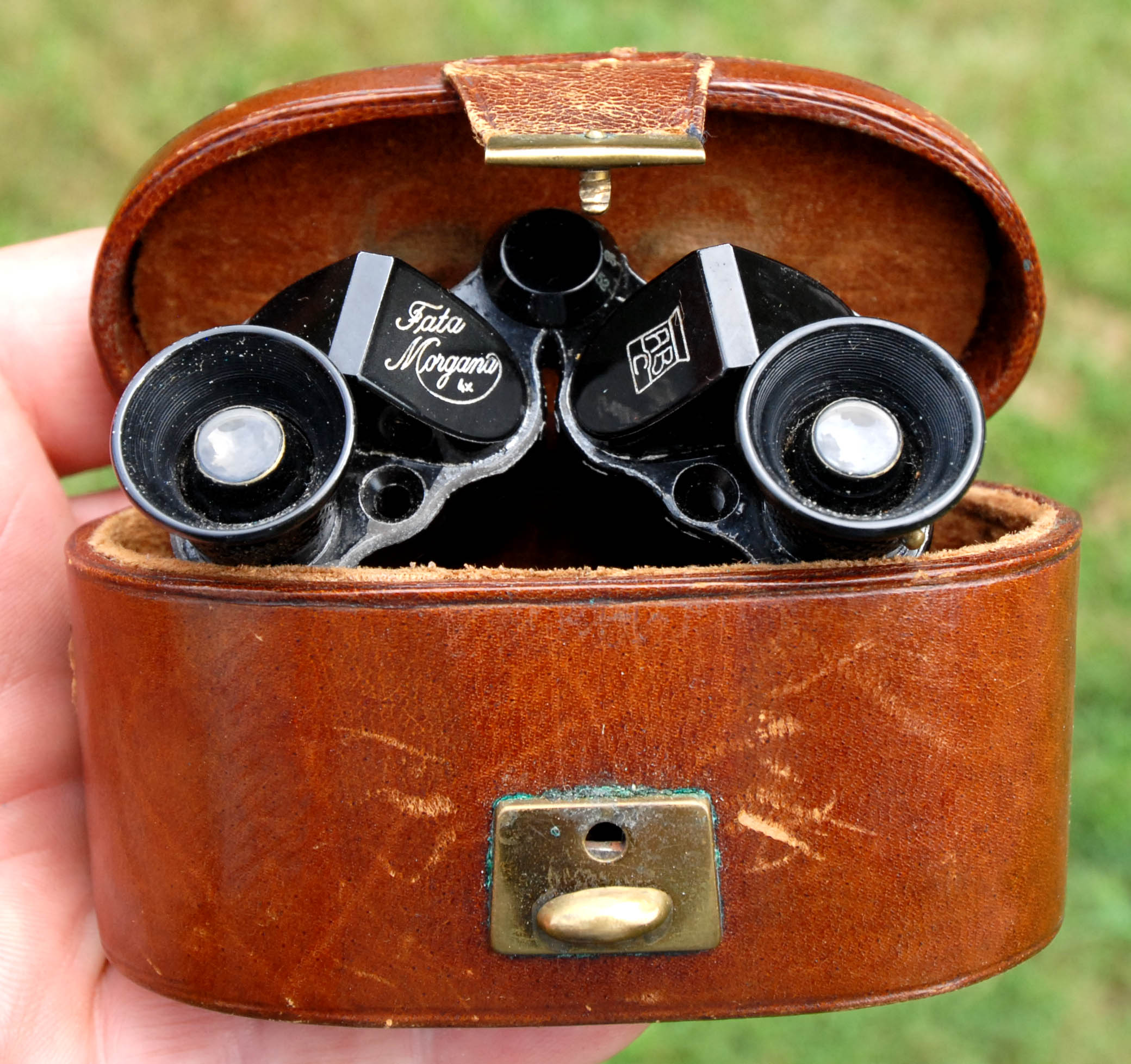
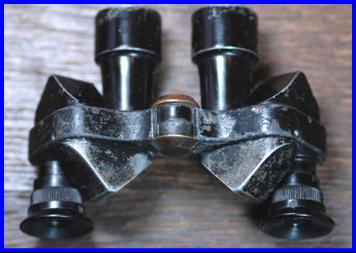
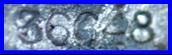
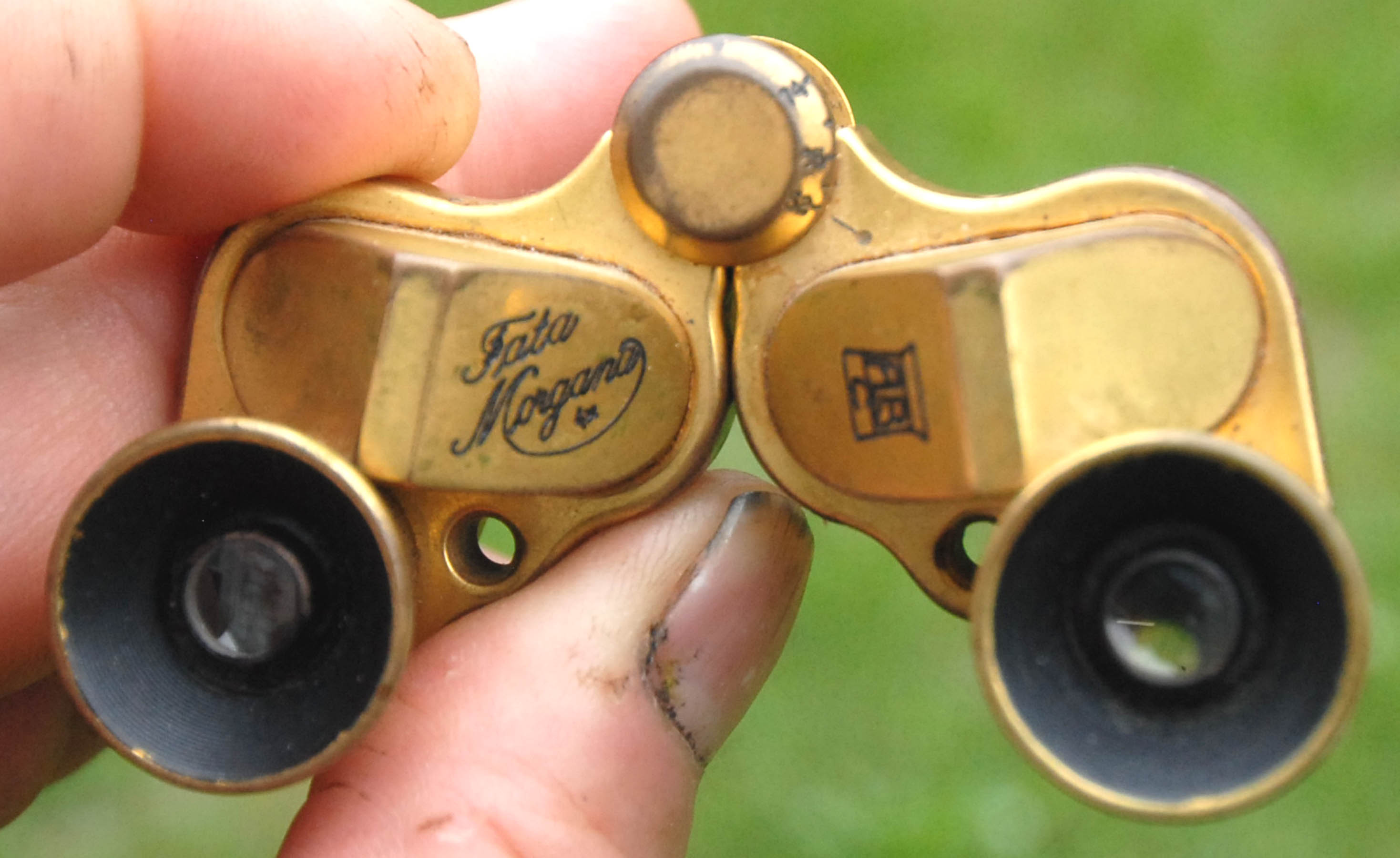
Fata Morgana 6x Binoculars serial no 36648 with original case.
Collection of Mark Ohno.
Sourced in
USA
„Fata Morgana“ 6x fernglas
|
|
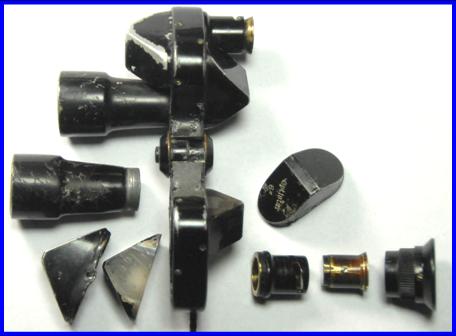
Optistar Binoculars: Partially Disassembled.
„Optistar “-Ferngläser: Teilweise Zerlegt. «Optistar» Jumelles: Partiellement Dissimulé. «Optistar»
Бинокль : частично разобрана.
Optistar
双眼鏡:部分的
に分解
.:
”Optistar” Kikare: Delvis Demonterade. «Optistar» Prismáticos: Parcialmente Desarmado. Binocoli «Optistar»
Parzialmente Smontati. |
|
I recently had the opportunity to disassemble a pair of Optistar binoculars to diagnose a fault (a chipped prism).
|
|
As is commonly encountered, the prisms were marked in pencil. I am uncertain of the meaning of these. It is apparently a current practice to mark prisms for direction of deviation, amount of deviation, and light travel as a plus or minus value relative to ideal. Comments welcome...
|
|
Pending future discoveries, these are the only known surviving 6x (6 power magnification) “Fata Morgana” binoculars. All other “Fata Morgana” binoculars observed so far have been 4x (4 power magnification), and all “Optistar” binoculars have been 6x (6 power magnification). These “Fata Morgana” 6x binoculars, which are clearly marked “
6x
” under “
Fata Morgana
” are essentially “Optistar” binoculars using the “Fata Morgana” brand or model name. The serial number of these binoculars of 36,648 is greater than any documented “Fata Morgana” serial numbers (by 1,531 numbers) but is less that the first documented “Optistar” serial number (by 1,949 numbers). Since these binoculars were found in the USA, and since it is known that the US importer and dealers promoted the “Fata Morgana” brand name through advertising in the early 1920’s, and since no US advertising of “Optistar” binoculars has so far been found, it may be that the US importer preferred the “Fata Morgana” name to be used on the 6x model as better recognized for the US market.
Vorbehaltich einer späteren Entdeckungen, dies sind die einzigen bekannten
ϋ
berlebenden 6x (6-facher Vergrößerung) „Fata Morgana” fernglas. Alle anderen „Fata Morgana” fernglas bisher beobachtet haben 4x gewesen (4-facher Vergrößerung) und alle „Optistar” fernglas haben 6x (6-facher Vergrößerung) gewesen. Diese „Fata Morgana” 6x fernglas, die deutlich gekennzeichnet sind „6x” unter „Fata Morgana” sind im wesentlichen „Optistar” fernglas mit der „Fata Morgana” marke oder modellnamen. Die serienummer dieser fernglas von 36,648 größer als alle dokumentiert „Fata Morgana” seriennumerern (von 1,531-nummern), is aber weniger, dass der erste dokumenierte „Optistar” serienummer (von 1,949 nummern). Da diese fernglässer wurden in den USA gefunden, und da bekannt ist, dass die US-importeur und händler f
ϋ
r „Fata Morgana” marke durch werbung in den fr
ϋ
hen 1920er jahren gefördet, und da kein „Optistar” US-werbung hat bisher gefunden wurde, ist es kann sein, dass die US-importeur die “„Fata Morgana” name auf der 6-fach-model f
ϋ
r den US-markt erscheinen auch bevorzugt.Dans l’attente des découvertes à l’avenir, celles-ci sont les seules jumelles “Fata Morgan” connues au monde.
Toutes les autres jumelles «
Fata Morgana
» trouvées jusqu’au présent ont été 4x (4 grossissement), et toutes les jumelles «Optistar» jumelles sont 6x
(6 grossissement). Ces jumelles
«
Fata Morgana
» 6x, sont marquées clairement «6x» sous la marque «
Fata Morgana
». Elles sont en effet les jumelles «Optistar» marquée «
Fata Morgana
»
Le numéro de série de ces jumelles,
36648, est supérieur à tous autres documentés sous la marque “Fata Morgana”, mais bien moins que les numéro de série “Optistar”.
Etant donné que ces jumelles-ci ont été trouvées aux États-Unis, et
l’importateur et les concessionnaires américains ont favorisé la marque «
Fata Morgana
» dans
la publicité des années 1920, et comme la publicité pour la marque «Optistar»
n’a pas été trouvée dans les annonces aux Etats-Unis, il se peut que l’importateur américan a préféré la marque «
Fata Morgana
»
également pour les jumelles 6x pour le marché Américain. A la espera de los descubrimientos futeros, estos son el único superviviente conocido 6x (6 energie de la amplicación des les prismáticos «
Fata Morgana
». El resto de los prismáticos «
Fata Morgana
» observadas hasta ahora han sido de 4x (4 de aumento de potencia), y todos los «Optistar» prismáticos han sido 6x (6 de aumento de potencia). Estos «
Fata Morgana
» 6x prismáticos, qui están marcadas claramente «6x» en «
Fata Morgana
» son esencialmente
«Optistar» prismáticos utilizando el «
Fata Morgana
» de la marca o el nombre del modelo. El número de serie de estos prismáticos de 36,684 es mayor qui cualquier número documentados «
Fata Morgana
» (por 1,531 números), pero es menos que el número de serie de la primera documentada «Optistar» (por 1,949 números). Dado que estos prismáticos se encontraron emn los Estados Unidos, y puesto que se sabe que el importador y los distribuidores des Estados Unidos promvieron la «
Fata Morgana
» nombre de marca por la publicidad en la década de 1920, y puesto que no hay publicidad «Optistar» des Estados Unidos hasta el momento se ha encontrado, se puede se que el importador estadounidense prefiere el nombre de «
Fata Morgana
» a aparecer también el el modelo de 6x para el Mercado estadounidense.
|


|
MINIATUUR JAPANSE VERREKIJKERS
MINIATUROWE LORNETKI
PIENOISKOOSKA JAPANILAINEN KIIKARIT
μικροσκοπικά κιάλια
ミニチュア双眼鏡
ống nhòm mini
مناظير مصغرة اليابانيةچھوٹے جاپانی دوربین
BINÓCULOS JAPONÊS EM MINIATURA
DÛRBÎN JAPANESE XWEBIXWE
دوربین دوچشمی ژاپنی مینیاتوری
MINIATUUR JAPANESE BINOCULAERS
MINIJATURNI JAPANSKI DALEKOZOR
MINIATURNÍ JAPONSKÉ DALEKOHLEDY
MALIIT NA LARAWAN JAPANESE LARGABISTA
MINIATYURA YAPONIYA DURBIN
BINOCOLO GIAPPONESE IN MINIATURA
TEROPONG KECIL JEPUN
TYHULASI AMANCINANE JAPANESE
ỐNG NH
Ò
M MINIATURE NH
Â
T BảN
సూక్ష్మ జపనీస్ దూరదర్శిని
மினியேச்சர் ஜப்பனீஸ் தொலைநோக்கியின்
KEKERAN
JEPANG MINIATUR
کوچني د جاپان د فير
CASRIGA GHADAFI JAPANESE
MINIJATURNI JAPANSKI DALEKOZORI
MINYATI LONGVI JAPON
È
L
Í
TIL JAPANSKA SJ
Ó
NAUKI
MINIAT
Ü
R T
Á
VCS
Ö
DADA JAPAN BINOPKULARI
MINIATURE JAPANESE MAKA ANYA ABUO
KAKANG'ONO ZOYANG'ANIRA JAPANESE |
|
ENJOY THE SITE?
Consider Participating
The website represents the unpaid effort of mostly one person and whenever anybody looks at it, then it actually costs a little bit of money out of pocket. Not a big deal and with a commitment to doing a lot with a little the website is hosted at Nearly Free Speech.net and it is very cost effective. But with as many as 1/4 million page views in busy months, each view does cost a little bit of money and over time it adds up. We really like to encourage active viewer participation: photos, information, feedback, suggestions, questions, comments, binoculars, anything. Maybe you don’t have any information or photos to contribute, but if you enjoyed this website then please also consider supporting the effort with a tiny gift: 50¢, 75¢, price of a candy bar or cup of coffee...anything.
Every 75¢ donated (which goes directly to the web hosting account and can’t be used for anything else) would pay for at least 15,000 (and perhaps a lot more) people to view the website. Many thanks to people who have helped with photos information, feedback, translation improvements, and donations.
|
|
CONTACT US WITH INFORMATION OR COMMENTS:
miniature.binoculars@gmail.com
|
|
CONTACT US WITH INFORMATION OR COMMENTS:
miniature.binoculars@gmail.com
|

|
To donate a small sum to help host this site
paste the following on your browser:
https://www.nearlyfreespeech.net/contribute/
miniaturebinoculars.com |
|
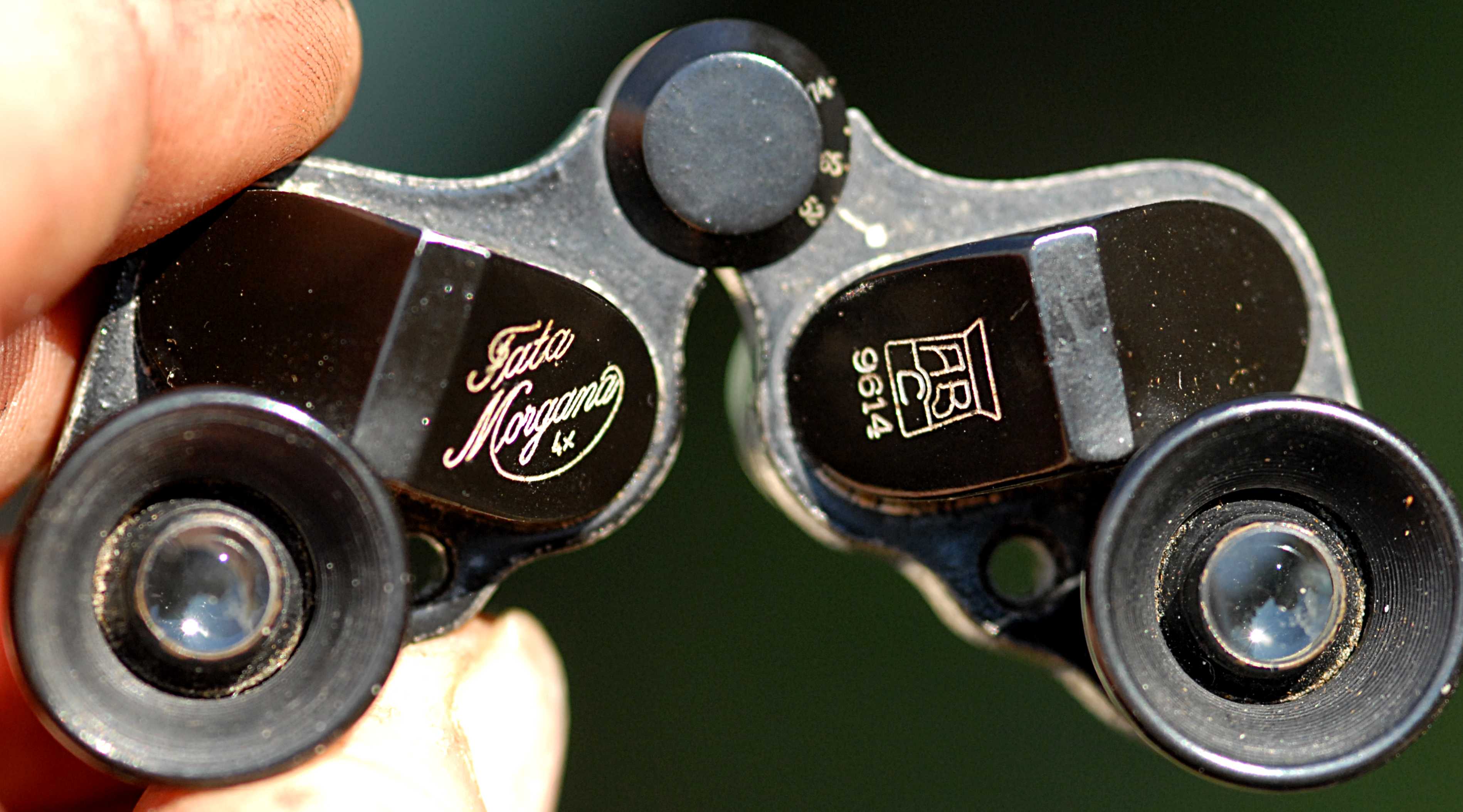
I have personally observed Fata Morgana binoculars with a 6mm frame thickness from serial number 620 to serial number 9613.
|
|
I have personally observed Fata Morgana binoculars with a 7mm frame thickness from serial number 10202 to serial number 22421.
|
|
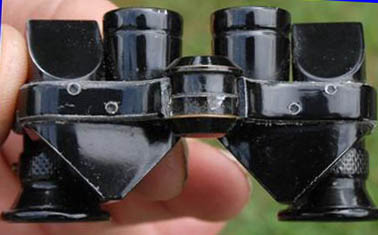
I have personally observed Fata Morgana binoculars with a 10mm frame thickness from serial number 25071 to serial number 35117.
|
|
All Optistar binoculars that I have observed have a 10mm frame thickness.
|
|
Fata Morgana Serial #25071
Frame approx. 10mm |